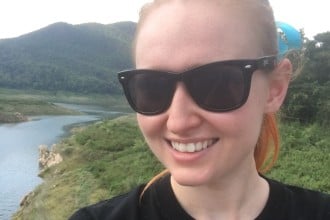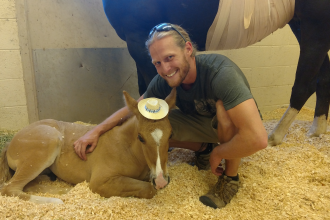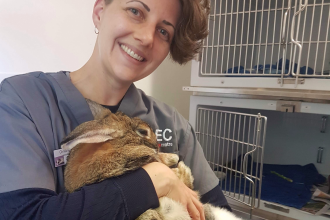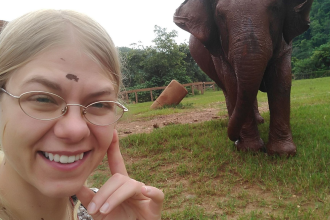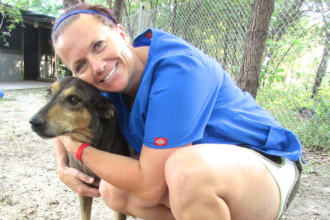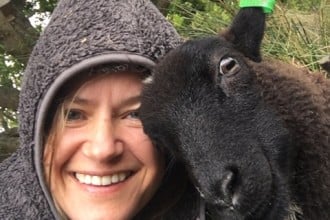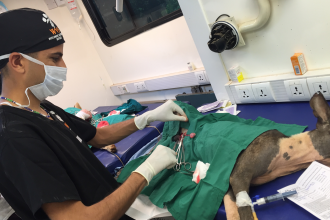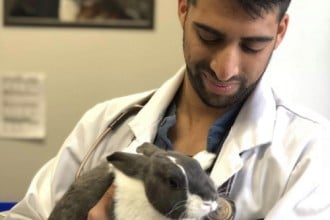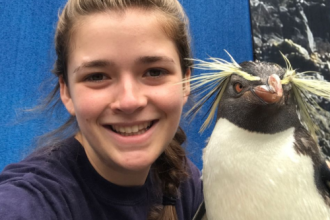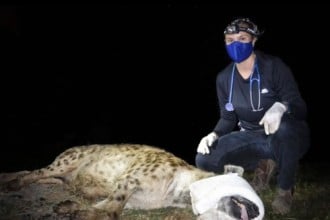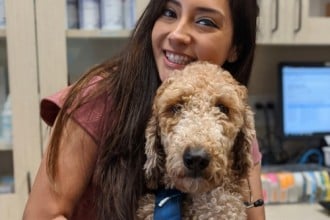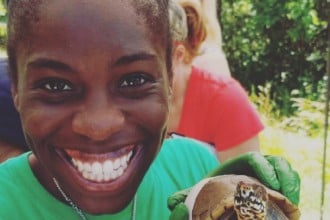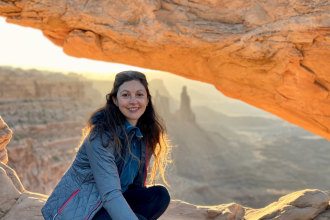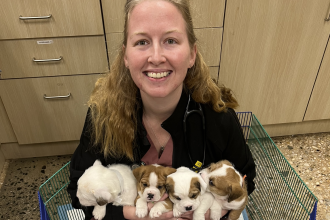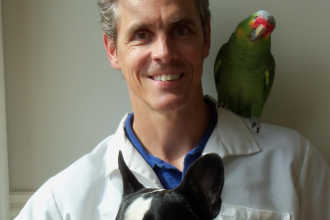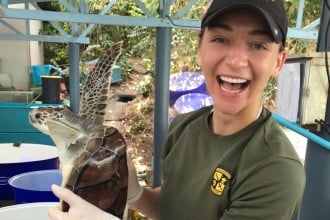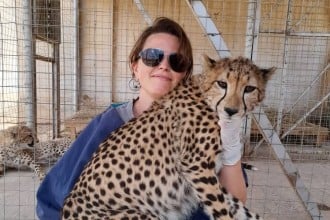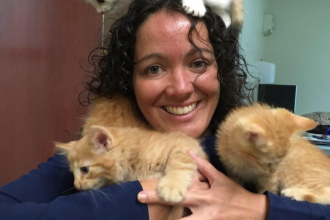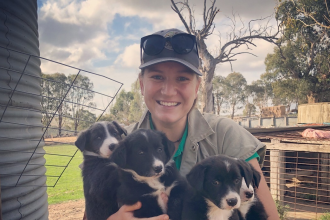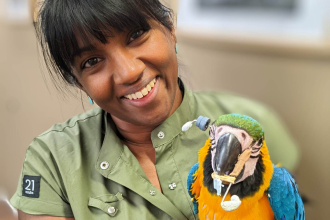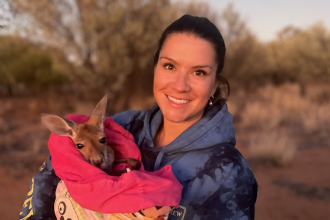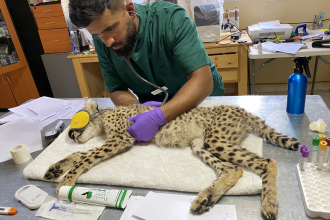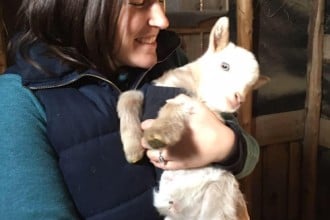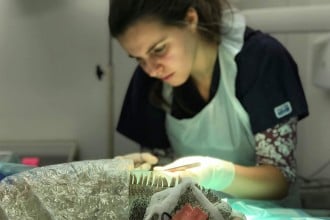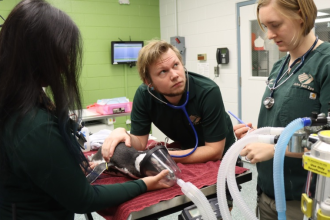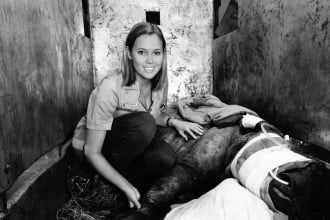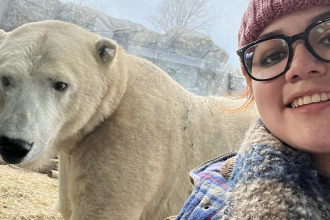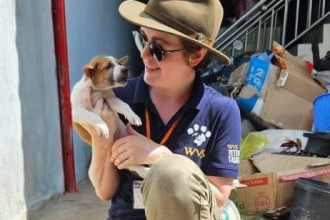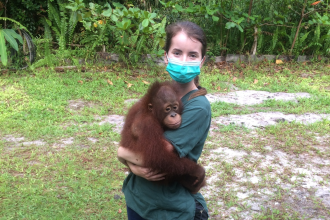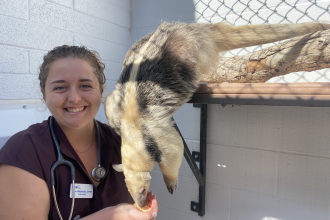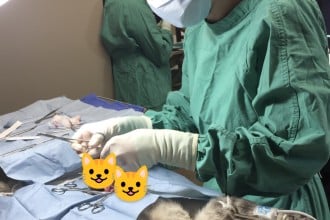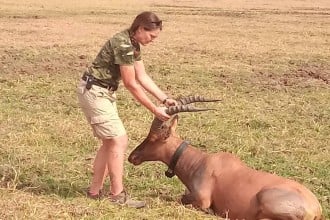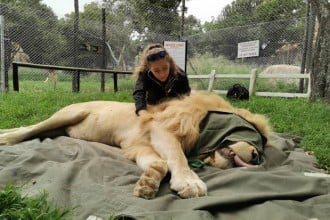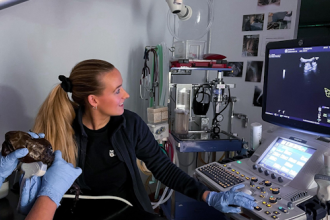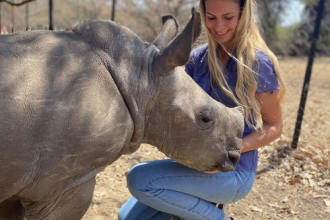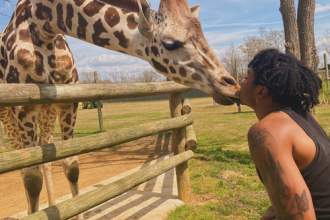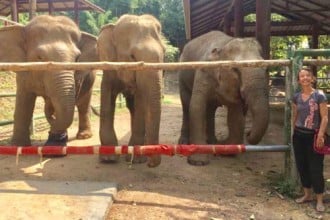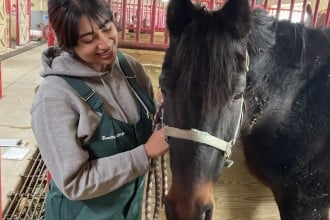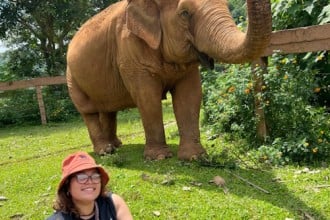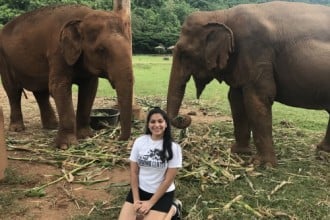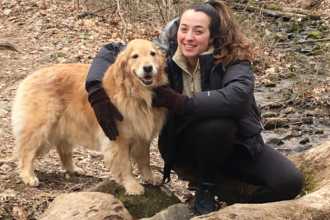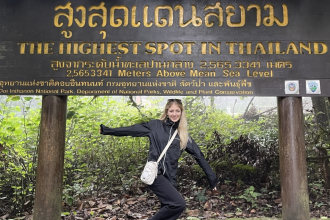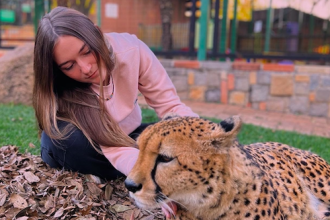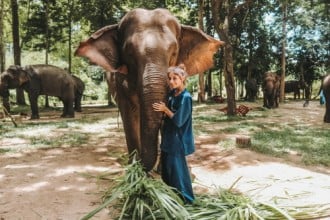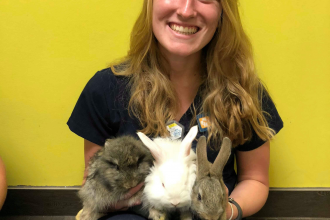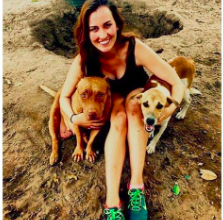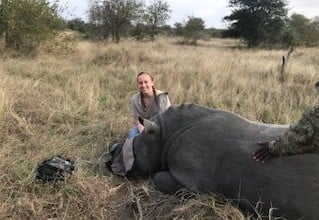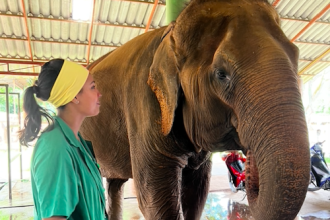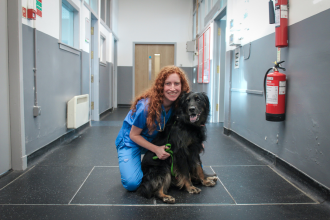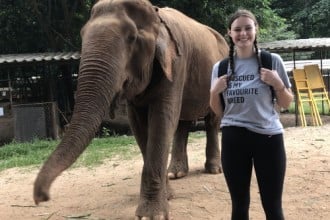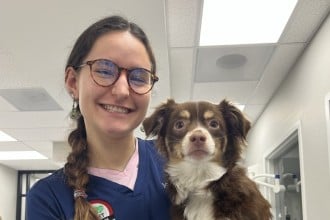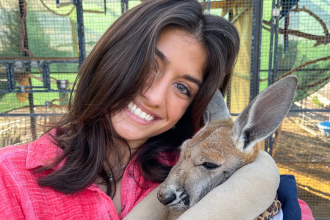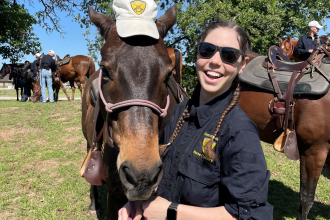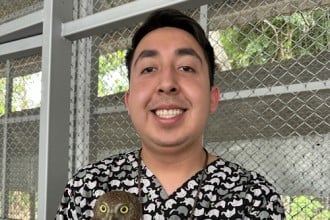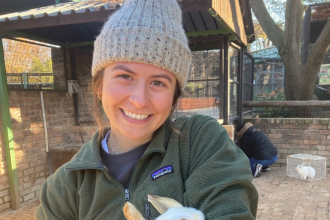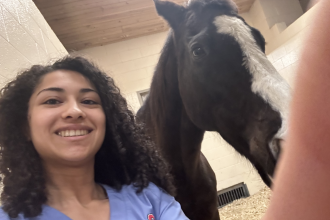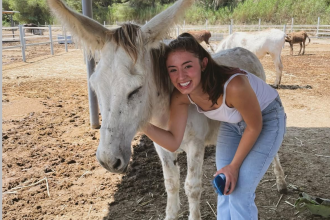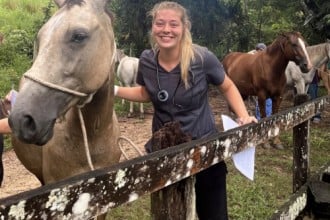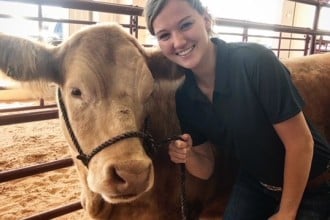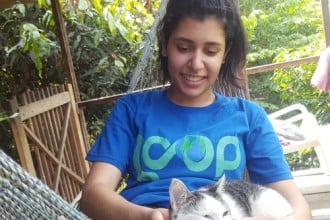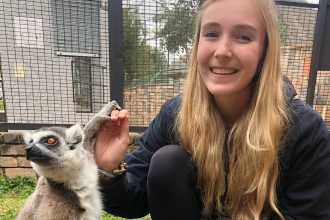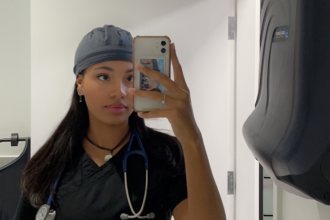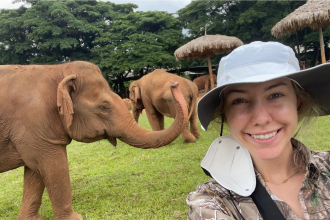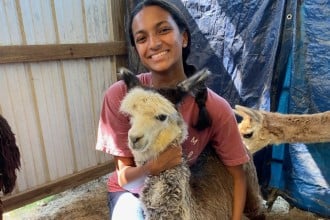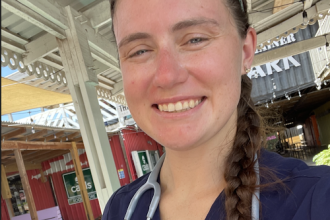
 When Addam and Jane Stine started Loop Abroad in 2009, they wanted to bring students who love animals on international adventures to see the world and experience animal care and conservation in a new way. They knew Chiang Mai, Thailand was the perfect place to start.
They partnered with local organizations already making a positive impact to offer the first Loop Abroad program to a wonderful group of 9 American high school students. In the next few years, programs grew with more focus on veterinary education, animal science, and cross-cultural learning. Students learned key skills they would need to make an impact at home and abroad.
 In 2013, responding to student requests, Loop Abroad opened its veterinary service programs to college students for the first time. The focus was still on partnering with world-class conservationists and educators and working with local conservation organizations to create unforgettable learning and service opportunities.
In the summer of 2017, Loop Abroad began expanding around the world. Dozens of passionate alumni and many new recruits were the inaugural seasons of our Veterinary Service South Africa program.
Since then, Loop Abroad has offered programs in Australia, Costa Rica, Belize, Panama, Spain, Greece, Ecuador, and across the United States. Loop Abroad facilitates direct-enrollment and faculty-led programs for universities throughout the US and helps over one thousand students a year study veterinary medicine on one of their programs. In 2023 alone, Loop Abroad provided over $1,000,000 in funding to its conservation, clinic, and research partners around the globe.
Each group is small and each program focuses on sharing veterinary and conservation knowledge across cultures and supporting local conservation projects in their efforts.
Loop Abroad continues to expand our reach while holding onto our founding values, allowing us to consistently be ranked as one of the best veterinary programs for study abroad. We now proudly offer a wide range of travel and study experiences for students who share our commitment to animal welfare and respect for all living things, as well as a collection of virtual programs connecting our students to vets and researchers across the world.
 Loop Abroad is a Certifying Organization for the Presidential Service Award. Loop Abroad is also a member of the Forum on Education Abroad, which develops Standards of Good Practice for study abroad providers. We seek to follow the Standards of Good Practice in everything we do in pursuit of our educational mission. We are proud to have the University of Findlay as our School of Record.
 Loop Abroad is a student travel organization that began with a singular mission: provide the best hands-on study abroad for students pursuing careers working with animals.
See our Loop Education Animal Program Standards (LEAPS) for details on how we design amazing educational experiences with safety and animal welfare in mind.
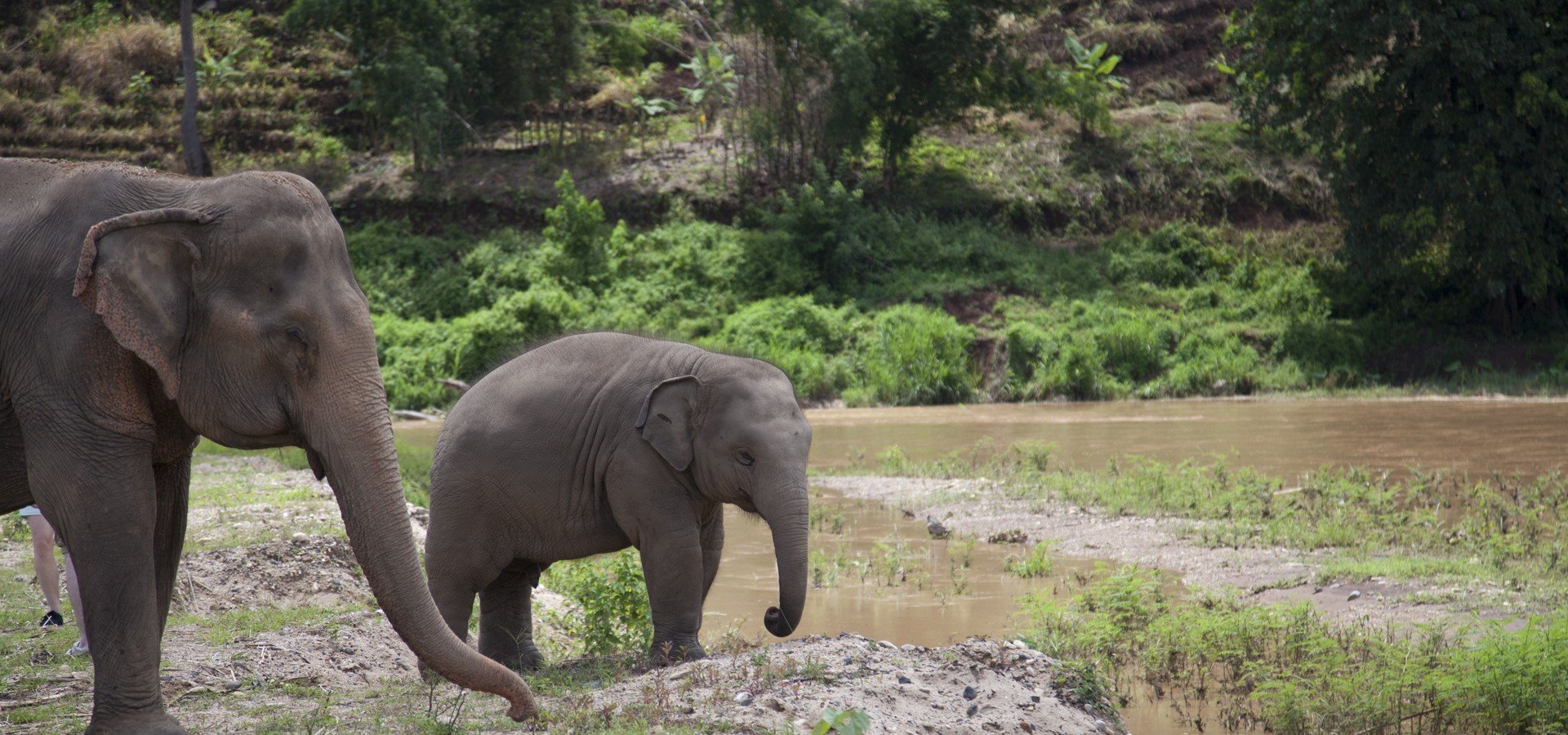
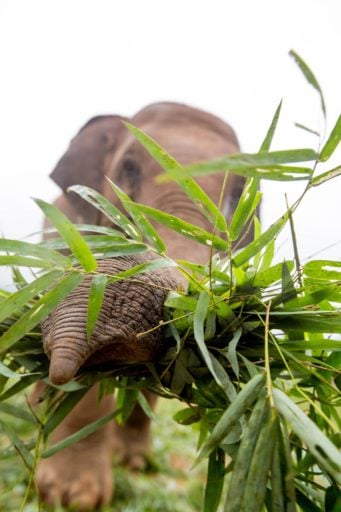
We’ve done this by partnering with world-renowned conservationists in their efforts to protect endangered animals. While our programs and geography have expanded, we remain committed to global animal welfare. Read why we don’t ride elephants.
Our mission is to make a positive impact on animal welfare and marine and wildlife conservation around the world by partnering with responsible, local organizations to support them in their efforts while at the same time offering our students unprecedented opportunities for hands-on learning across all programs.
Unlike “voluntourism” programs, Loop Abroad programs follow a study abroad model. Our students travel to learn from others and to become better-educated individuals who can give back in their professional careers and work across cultures.
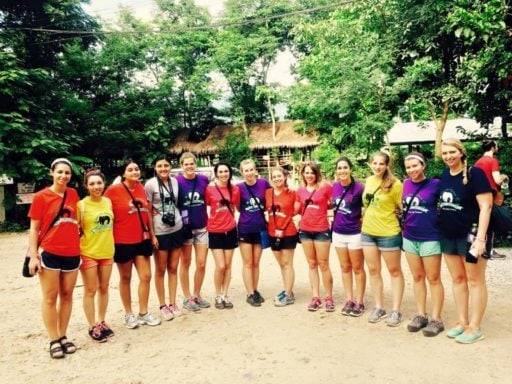 Moreover, we are proud to offer a wide range of ethical and responsible travel programs to students who share our commitment to furthering the cause for animal welfare, biodiversity, and respect for all living things.
As we pursue our mission, we strive to follow the Standards of Good Practice set out by the Forum on Education Abroad, which is recognized as the US Standards Development Organization for the field.
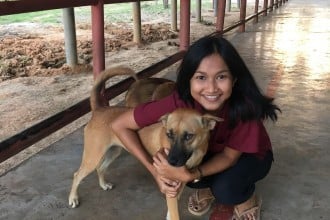
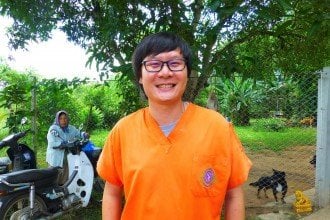
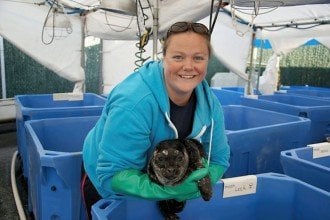
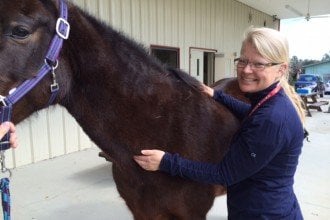
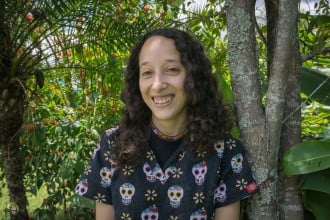
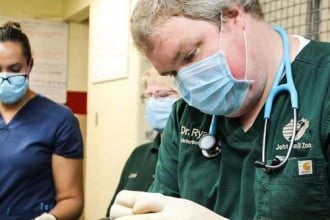
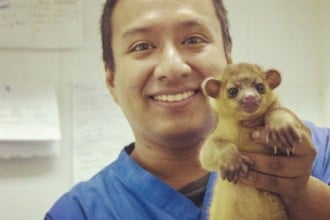
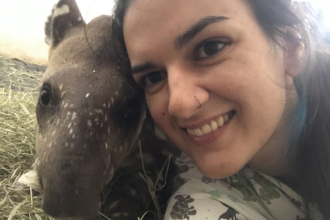
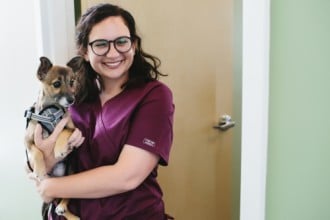
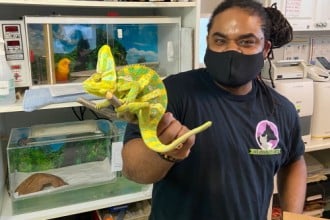
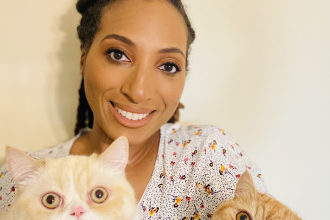
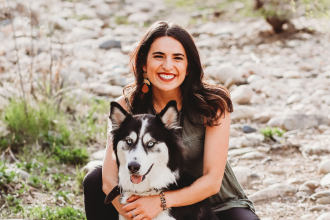
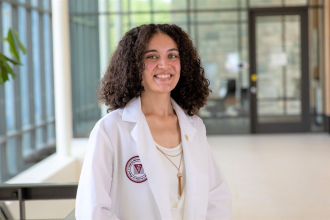
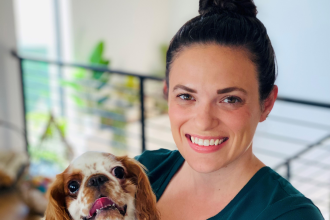
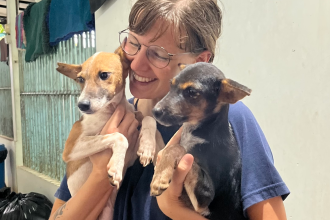
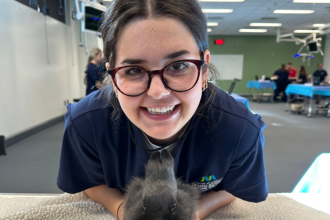
We expect a lot from our students and we demand the best from our staff. We’re proud to offer an elite, experienced faculty.
Our goal is to bring students an authentic travel experience rooted in curriculum and worthwhile activities and enhanced by leadership, cultural, and service experiences. We want students to return home with a better understanding of the world around themselves, and their roles as leaders in their own lives. One of the ways we do that is by surrounding them with successful, interesting, and encouraging faculty and staff.
LEAPS is a set of standards developed by Loop Abroad to guide the creation and implementation of educational programs working with animals. While these standards are designed with international programs in mind, they are also applicable to programs within the students’ originating country.
Additional standards and policies may be added for particular programs or sites that are exclusive to that location. These standards are a baseline that we can apply across all programs to successfully deliver educational animal programs that are beneficial for participants, host organizations, and the animals served by the program.
Loop Abroad regularly updates our policies to stay proactive and ensure that we are following best practices in animal encounters, and we also have guidelines on ethical interactions with locals in the places we run programs.
Our programs require students to follow strict behavioral and animal interaction guidelines, both for personal safety and for the safety and health of the animals on the project. We are constantly working to allow captive animals to have more choice and freedom.
We work with host organizations to create specific guidelines for each location. Each program has input from local experts and veterinarians, from design through daily implementation.
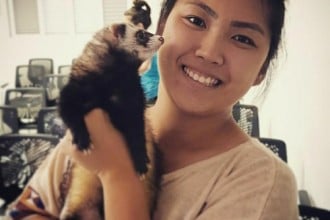
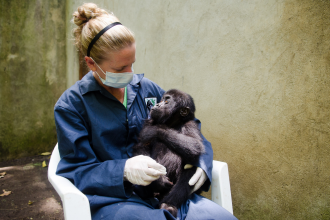
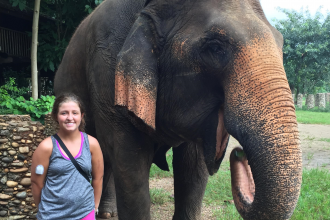
Our general guidelines are that interactions with wild animals (captive or free roaming) should have both a teaching benefit for the student and have a neutral or positive impact on the health and/or welfare of the animal and be as stress free as possible. We have a no selfie policy with holding wildlife species and teach that students should be at an appropriate, safe distance from captive elephants and other wildlife in order to have their photo taken.
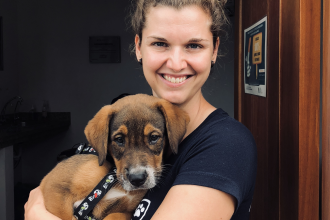
For companion animals as well as wildlife, we set up our programs to ensure that interactions and hands-on teaching experiences are appropriate for the education and experience level of the participant. When we are setting up our own spay/neuter clinics, we do our best to follow best veterinary practices to a U.S. standard. On the cultural side, we work to truly understand the history and current situation in the country and teach not to pass judgment on other cultures or countries for having different standards when it comes to animal welfare and other practices. Programs include the perspective and expertise of local veterinarians, faculty, and staff.
We work together with host organizations to meet shared goals instead of coming in with a colonial mentality. By following a study abroad model instead of a voluntourism model, we allow for cross-cultural learning and teaching and ensure that our students respect and learn from local expertise as well as their teaching veterinarian’s expertise.